A Conversation with Lan Xiaoxiu: On Writing “Pin Hun” and Un
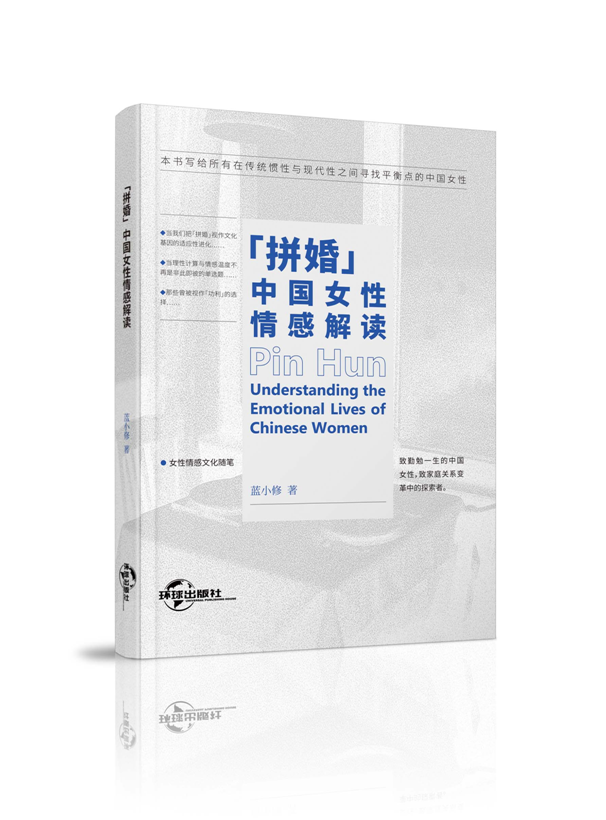
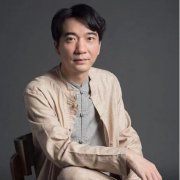
As “Pin Hun: Understanding the Emotional Lives of Chinese Women”(《拼婚:中国女性情感解读》) moves into its international release, writer and cultural observer Lan Xiaoxiu speaks about the ideas and experiences behind her new book and why it matters to readers in the United States. Lan, a multilingual writer and widely recognized Chinese author known for her work on women’s emotional worlds, currently teaches language and writing at a university in the United States. Her cross-cultural perspective shapes the depth and resonance of this book.
Central to the book is the concept of “Pin Hun,” which describes how marriage today is often approached as both an emotional bond and a practical collaboration. In this model, partners share financial responsibilities, caregiving roles, and long-term planning, forming a stable structure that supports both families and individuals. This does not replace emotional depth; instead, it expands the foundation on which relationships grow. Chinese women, navigating this landscape, demonstrate insight and adaptability, aligning personal goals with a thoughtful understanding of collective stability.
In our conversation, Lan reflects on how “Pin Hun” grew out of many years of listening to women’s stories and observing how emotional life operates in China. She describes emotions not as private moments but as cultural expressions shaped by family expectations, social structures, and unspoken pressures. “In China, emotions are often lived quietly,” she explains. “Behind that quietness is a complex world of responsibility, longing, restraint, resilience, and imagination. I wanted to write a book that allows readers to see what is usually hidden.”
“Pin Hun” examines how Chinese women navigate intimate relationships, intergenerational constraints, and the competing demands of tradition and modernity. Lan discusses the weight of marriage expectations, the persistence of family-centered values, and the emotional strain created when personal desires conflict with cultural ideals. Many women, she notes, experience a divided emotional identity: a self shaped by duty, a self adapted for family harmony, and a self pursuing its own emotional truth. Through narrative scenes, cultural explanation, and reflective storytelling, the book brings these layered experiences to life.
For American readers, Lan believes the book offers a meaningful cross-cultural window into a part of Chinese society rarely explained with nuance. Living and teaching in the United States, she often sees how emotional expression differs across cultures. “Every society teaches people how to feel, how to speak about feelings, and when to hide them,” she says. “To understand Chinese women, you need to understand the cultural grammar of emotion.” Her hope is that readers in the U.S. will gain a deeper appreciation of the emotional negotiations that shape Chinese womanhood.
At the same time, Lan emphasizes that the struggles depicted in the book are not only Chinese stories but human ones. Beneath cultural differences lie universal themes: the desire to be understood, the tension between autonomy and belonging, the fear of disappointing loved ones, and the quiet resilience required to build a life within—and sometimes beyond—tradition. “When you look closely,” she says, “these women are negotiating identity every day. The form may be cultural, but the longing is universal.”
“Pin Hun” is a valuable resource for readers interested in Chinese society, gender studies, cross-cultural psychology, and contemporary nonfiction about women’s lives. It invites an empathetic and informed understanding of how emotions serve as both personal experience and cultural formation. Through her writing, Lan moves beyond headlines and stereotypes, offering a sensitive portrait of how women in China live, feel, and imagine their futures.
In this book, she brings together years of observation, reflection, and cross-cultural insight to trace the emotional worlds of Chinese women with clarity and care. “Pin Hun” expands the conversation about global womanhood and reveals how emotional life can illuminate the deeper structures of society.