A Deeper Look at “Pin Hun”: How Lan Xiaoxiu Maps the Changin
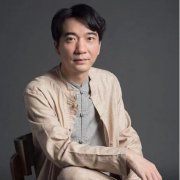
“Pin Hun: Understanding the Emotional Lives of Chinese Women,” (《拼婚:中国女性情感解读》)recently released in Chinese by a United Kingdom–based publisher, offers international readers an illuminating window into the evolving emotional world of contemporary Chinese women. The book, originally published in Chinese, reflects years of observation, cultural reflection, and close listening by its author, Lan Xiaoxiu, a multilingual writer widely known for her sensitive and insightful portrayals of women’s lives. Now living in the United States, she studies language and culture and teaches language and writing at a university. This cross-cultural vantage point gives her work a depth and resonance that travel across borders.
In conversation, Lan describes “Pin Hun” as a project born from witnessing how Chinese women have grown and adapted during a period of rapid, complex change. She notes that as society evolves, economically, socially, and culturally, the emotional vocabulary available to women has expanded as well. “Women today are not only responding to change,” she reflects. “They are shaping it. Their emotional lives reveal how thoughtfully and creatively they navigate new possibilities and new expectations.”
The book’s title concept, “拼婚” (Pin Hun), reflects this complexity. Far from suggesting anything negative, the term describes a contemporary reality in which partnership and marriage involve multiple dimensions, not only affection and connection, but also practical considerations related to work, family, long-term planning, and the pursuit of a stable life. Lan is careful to emphasize that this complexity is not a loss of romance, but an enrichment of understanding. “When society becomes more layered,” she explains, “people naturally consider more aspects of their future. It shows maturity, not conflict.”
Throughout the book, Lan traces how women interpret these layers with composure and clarity. She writes about women balancing personal aspirations with family values, maintaining cultural continuity while exploring more open forms of emotional expression, and learning to integrate tradition and modern rhythm into their everyday lives. What she sees is not pressure, but adaptability; not tension, but quiet intelligence. “Emotional life is one of the clearest mirrors of how a society grows,” she says. “When you watch women’s emotions evolve, you are really watching cultural evolution itself.”
Lan’s approach is grounded in close observation. She pays attention to the subtleties of daily life, the way younger women articulate autonomy with calm confidence, how intergenerational relationships evolve with more mutual understanding, how communities reinterpret familiar traditions with renewed warmth. These details, she notes, are often invisible from the outside but deeply meaningful within their cultural context. “The beauty of these experiences,” she says, “is that they show how people find balance during change, how they turn complexity into possibility.”
For American readers, the book offers a valuable cross-cultural reference point. Emotional expression in Chinese culture often prioritizes balance, relational awareness, and consideration for others. These values shape how women speak about their experiences and how they make decisions. Lan explains that what may appear understated to a Western audience is frequently a sign of thoughtfulness, dignity, and emotional maturity. “Understanding emotional life in China means paying attention to nuance,” she says. “It means seeing the quiet ways people care for one another.”
Yet despite cultural differences, Lan believes the themes in “Pin Hun” resonate globally. Women everywhere navigate their futures with a blend of hope, realism, and emotional insight. They manage expectations, maintain relationships, and adapt to the rhythms of their time. “This is what I find most moving,” she reflects. “Across cultures, women share a remarkable ability to grow with change rather than be defined by it.”
The strength of “Pin Hun” lies in its ability to portray this growth with warmth and clarity. The book does not aim to explain Chinese society through grand statements; instead, it does so through the quiet precision of everyday observations. In doing so, it offers readers—whether in China, the United States, or elsewhere—a chance to witness how women reinterpret tradition, embrace transformation, and cultivate emotional depth in a new era.
Thoughtful, grounded, and full of cultural insight, “Pin Hun” stands as a meaningful resource for anyone interested in contemporary Chinese society, women’s emotional cultures, or cross-cultural understanding. It invites readers to see Chinese womanhood not through stereotypes or assumptions, but through the vivid emotional lives of women who continue to adapt, imagine, and grow.