Understanding “Pin Hun” in a Changing Era: A Feature on Lan
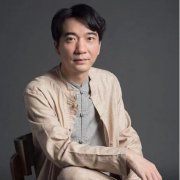
“Pin Hun: Understanding the Emotional Lives of Chinese Women,”(《拼婚:中国女性情感解读》) recently published by a United Kingdom–based press, offers a rich and layered portrait of how Chinese women navigate emotional life in a rapidly evolving society. The author, Lan Xiaoxiu, is a multilingual writer and a widely read Chinese author whose long-term work focuses on women’s inner experiences, cultural identity, and the emotional textures of everyday life. Now living in the United States, she studies language and culture and teaches language and writing at a university. This cross-cultural background gives her work a clarity and depth that resonate strongly with international readers.
At the heart of the book is the concept suggested by its title, “Pin Hun.” Literally translating to a “combined” or “composite” form of marriage, the term describes a contemporary reality in which partnership decisions reflect multiple layers of consideration. In a time of fast-paced social and economic transformation, marriage is influenced not only by romantic connection but also by practical concerns such as financial planning, career development, family expectations, and social positioning. Lan explains that this expanded understanding of marriage does not diminish emotion; instead, it reflects the increasing complexity and responsibility that many women carry as they imagine their futures. “Women today approach relationships thoughtfully,” she says, “balancing personal hopes with an awareness of the broader contexts that shape their lives.”
In “Pin Hun,” Lan focuses on how Chinese women adapt to these shifting conditions with insight, resilience, and an evolving emotional vocabulary. She observes that women across generations are finding new ways to integrate traditional values with contemporary aspirations. They honor family ties while exploring individual goals, maintain cultural continuity while embracing fresh forms of self-expression, and expand their emotional lives as the world around them changes. “The emotional space available to women is growing,” she notes. “There is more room for open reflection, thoughtful communication, and self-understanding.”
Rather than presenting challenges, the book highlights women’s adaptive strengths and the positive developments emerging from China’s social transformations. Lan describes how many women cultivate emotional maturity through daily practice, balancing care with independence, tradition with modern rhythms, and personal growth with community-minded values. She sees emotional intelligence not as a reaction to pressure but as a form of creativity and strength. “Emotions tell us how deeply women engage with the world,” she explains. “They reveal the care women extend toward others and the quiet confidence with which they shape their own paths.”
For readers in the United States, “Pin Hun” offers an accessible pathway to understanding the cultural logic behind Chinese emotional life. Lan notes that Chinese culture often values harmony, balance, and relational awareness, which shape the way emotions are expressed and interpreted. What might seem private or understated in Western contexts can hold deep meaning in Chinese life. “When readers pay attention to the subtleties,” she says, “they begin to see how emotions function as both reflection and guidance in daily decision-making.”
At the same time, the book emphasizes universal themes that transcend cultural boundaries: the pursuit of meaningful relationships, the desire for stability and growth, and the steady effort required to adapt to a society in motion. Lan believes these shared experiences create a bridge between readers in different parts of the world. “Every woman, in her own way,” she reflects, “is learning how to move with her time—how to remain grounded while embracing change.”
Through narrative observation, cultural insight, and a warm, reflective voice, Lan presents a picture of Chinese womanhood defined not by limitation but by possibility. The women who appear in “Pin Hun” demonstrate clarity, adaptability, and optimism as they shape their emotional lives in a changing era. Their stories reveal a society that is learning, adjusting, and expanding its sense of what a fulfilling life can be.
Thoughtful, detailed, and richly human, “Pin Hun” provides a valuable reference for readers interested in women’s studies, Asian cultures, emotional psychology, and cross-cultural understanding. It invites international audiences to appreciate the richness, variety, and evolving nature of Chinese women’s inner worlds and to recognize the emotional depth through which they continue to navigate and redefine their roles in contemporary life.